Barnabas, blessed by the Bishop

Wednesday, 29th October saw the Cornish Maritime Trust (CMT) invite Bishop David to Newlyn’s Old Quay to perform a blessing ceremony for the 144-year-old Cornish lady, the Barnabas. This historic vessel is one of just four operational ships recently awarded Flagship status by National Historic Ships UK.

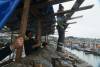
Addressing an audience of more than 30 volunteers and community members gathered around and aboard the Barnabas, Bishop David began by noting his affection for the ship’s name. “I’ve always loved the name Barnabas — it means ‘son of encouragement’,” he stated.

He offered a prayer of thanks for the men of faith who originally built and fished with the vessel, and for the imagination, craftsmanship, and seamanship of all those who have sailed and preserved her across three centuries. Aboard the boat during the ceremony was Sharon Stevens, descendant of first owner Barnabas Thomas who had the built the boat in St Ives.


He offered a prayer of thanks for the men of faith who originally built and fished with the vessel, and for the imagination, craftsmanship, and seamanship of all those who have sailed and preserved her across three centuries. Aboard the boat during the ceremony was Sharon Thomas, descenadant of Barnabas Thomas who built the boat in St Ives.

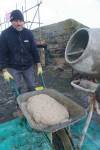
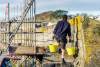
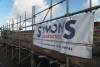
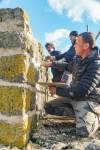
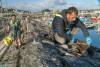
Following the excellent news that the Old Harbour restoration project successful Historic England bid the more challenging work of repairing and re-setting has begun. Some stonework has already been carried out, namely the re-stapling of capping stones and re-positioning of quoins on the edge of the Old Quay and the top of the slip by the old Rest.

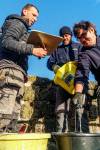
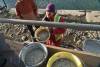
Two key jobs are currently out to tender. The biggest of these is laying new stone to complete the Red Lion slip with granite supplied by Cornish Granite Supplies based in St Just. The second is re-pointing, using lime mortar, the Old Quay parapet. Samples of the original lime cement have been analysed for a match.

What may go un-noticed when walking along the Old Quay is that much of the surface was covered with tarmac – with two different mixes! One of these used what was tar mixed with the fine gravel found inside the harbour near the highwater line. These areas of the quay will be tarmaced once again in an effort to provide a smooth and safe a working/walking surface while meeting the Grade II listed buidling criteria for the quay.


Edge stones on the short slip by the Rest have become dislodged over many years. This slip allows access for larger vehicles that can come across the beach from the slip at ower Green Street.

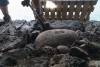
The larger stones were removed and underneatht them cleaned of debris that then allowd them to be replaced in their original position.

A sample bag of old granite sets has been delivered to allow for contractors to quote laying the new slip surface.

They will be laid on top of the old gash surface.

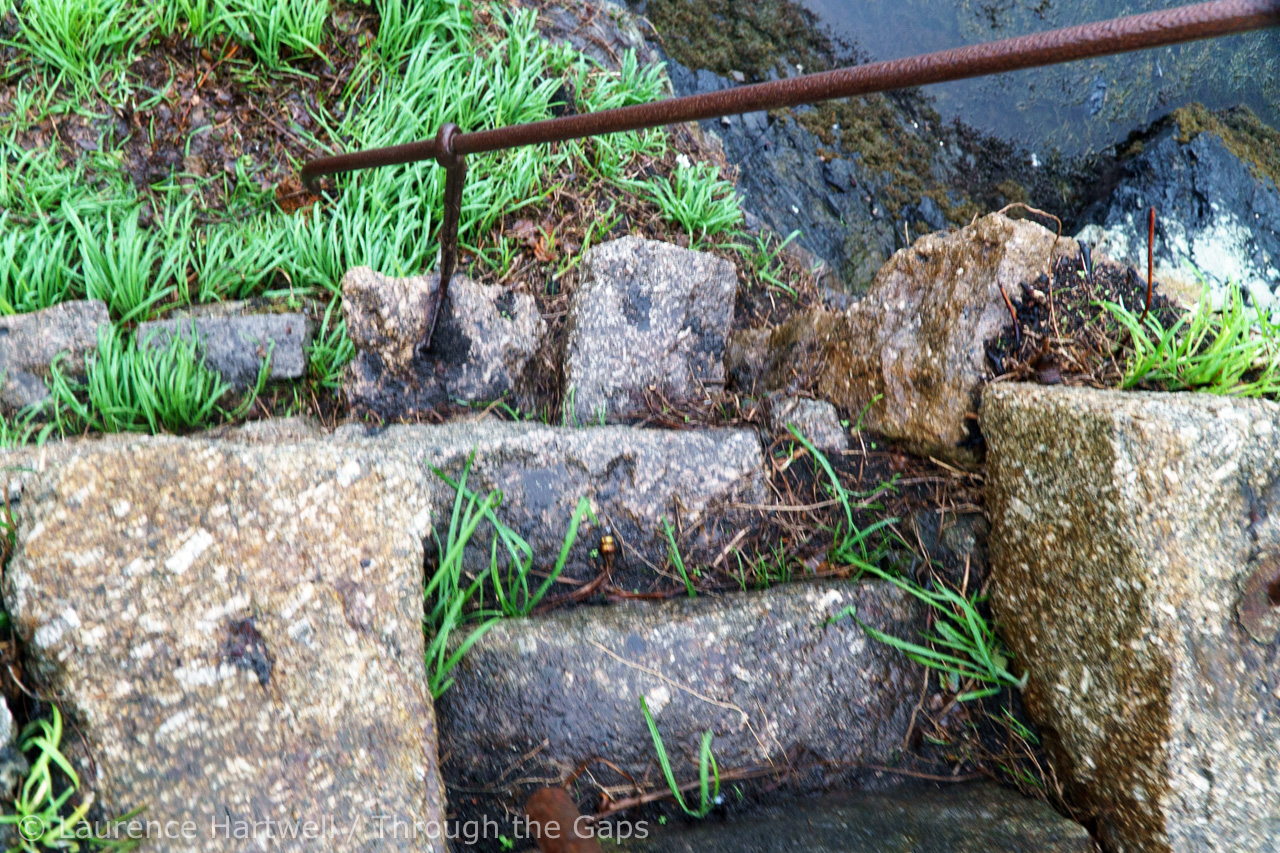
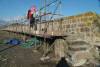
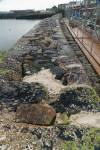
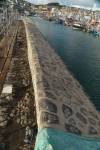
In this photo the full extent of the slip is revealed. A few youngsters are sat where the repair has been made. Today, the rest of the slip is covered by an accummilation of stone, soil and vegetation.

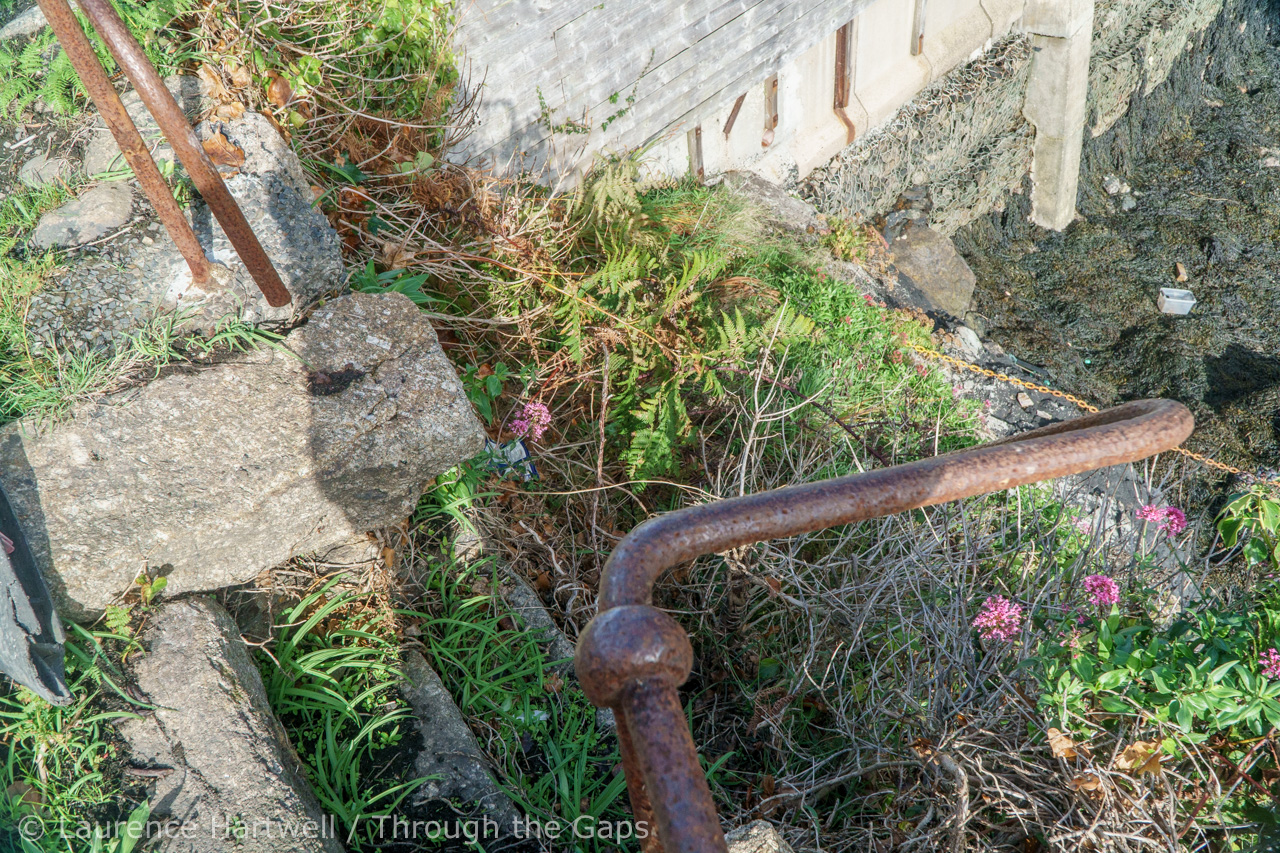
Looking down from the road outside the Red Lion the missing stones can be seen.

Completing the Red Lion slip in stone work will allow secure and safe access to vessels and across to the Old Quay.

The most severeky damaged edge stones were cited for repair or replacement.

Some edge stones, having been being stapled several times over hundreds of years, were deemed a safety hazard and therefore required replacement.

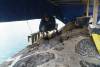
The replacement quoins used in fact came from the North Pier (1895). Two stones were selected but one had to be shortened to fit the space. The Cornish Granite Company at St Just cut the larger stone in half and cut both front faces vertical as they were sloping outwards and then ‘punch finished’ the front faces to match the top face. The North Pier has a sloping front face and quoins to match. The quoin that it was replacing was 60” long but had split into three pieces because of pegs inside rusting and expanding. The re-worked stones will darken in appearance soon enough and they were purposely fitted at different heights to match the rest of the old quay. The Old Quay parapet is still to be re-pointed in places with lime mortar.

The North Pier stones had been stored in theharbour car park for over 40 years.

The three cut stones ready to be re-worked and trimmed before fitting in place.

Waterdance very kindly lent the services of a driver and their Manitou front loader to lift the stones onto the quay at low water.

The Old Quay looking like it’s missing a tooth, with the stone ready to be fitted in place.

The temptation to throw these huge stones off the top of the quay back in to the harbour was just too tempting for some local lads – would be good of they could direct their energy into helping rather than hindering!

The newly cut and trimmed stones are now in situ.

In time, the re-worked faces faces will age in appearance to blend in with the rest of the quay.

Celebrating the Sardine Fishery and the Artistic Legacy of Newlyn

Celebrating Newlyn’s Sardine Fishery: How Artists and Heritage Shape Our Community

This weekend, Newlyn proudly celebrated its legendary sardine (pilchard) fishery with a lively festival that brought our maritime traditions to life. From bustling quays to the skies above, the event paid tribute to the industry that has shaped Newlyn’s identity for generations—and highlighted the vital role of art and heritage in preserving our story.

Historically, artists in Newlyn have been instrumental in shaping how the world views our fishing community. In the late 19th century, painters depicted our port as a timeless landscape—highlighting its simple, traditional buildings, fishermen and rugged scenery. Their work helped craft an image of Newlyn as an enduring, unchanging hub of maritime life . Today, that legacy continues through projects like those led by the Newlyn Old Harbour group, which actively support the restoration and preservation of our harbour.

Recently, the festival showcased contemporary artworks capturing scenes from our current sardine fishery, including striking images of the historic lugger Barnabas—now housed in the Old Harbour. The vessel not only symbolizes our rich fishing heritage but also serves as the base for the Cornwall Maritime Trust (CMT). This vital restoration project ensures that Barnabas and the stories of our fishing community remain accessible to future generations, reinforcing our cultural identity .

Unlike the nostalgic depictions of the past, today’s artists are more aware of the challenges facing our community—environmental pressures, industry changes, and the importance of safeguarding our coastal way of life. Their work celebrates resilience and pride, helping keep our maritime stories alive and relevant in a modern context.

The presence of vessels like Barnabas at the festival exemplifies how our heritage is actively preserved and celebrated through ongoing restoration. The harbour itself is being transformed into a vibrant hub for community activities, education, and arts—serving as the focal point for the CMT’s work and a symbol of our collective commitment to safeguarding our fishing traditions.

At Newlyn Old Harbour, we are proud to be part of this ongoing journey—one that combines heritage, community, and artistic expression. From our restored harbour to our vibrant festivals, we continue to tell the story of Newlyn’s fishing community—past, present, and future.

Visit us at newlynoldharbour.uk to learn more about our restoration projects and how we’re working to keep Newlyn’s maritime heritage alive. Whether you’re here to explore our history or participate in current events, remember that our fishing story is one of resilience, pride, and ongoing renewal.

Join us in celebrating and preserving Newlyn’s rich maritime heritage—because our fishing community’s story is as vibrant as ever, and it continues to inspire generations to come.

Of luggers and artists

All set to hoist the for'ard lug

Setting the sails

How it's done

Clare Bowen making a start.

Bottom scrub time on the Canner's Slip

Ebb tide

More detail being added

Boy, they look good!

Anchor set

Extra security

Artist on artist

Artist on artist

Artist on artist

Artist on artist

Low water

Bys Kernow

Jeremy Saunders in action.

Artist in Residence, Vicky Norman's timeless work

Clare Bowen first work

Clare's second work

Jeremy Saunder's Saturday work

Jeremy's festival panorama piece

Looking ahead to next year!