Red Lion slip restoration work

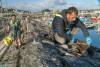
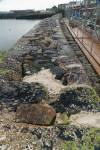
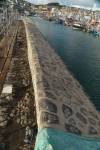
Work to re-surface the Red Lion slip with granite setts is nearing completion.  In all, over 350 sq metres of cut and dressed stone supplied by Cornwall Granite Supplies has been delivered on site. the team from Symons Construction are nearing the end of the work to restore and improve access via the Red Lion slip to the inner harbour area.

The Red Lion slip in the 1800s
Laying the Red Lion slip
PlayPause
previous arrow
next arrow
 
The Red Lion slip in the 1800s
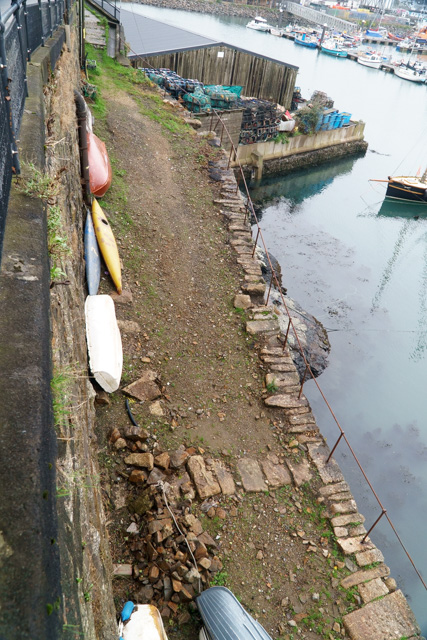
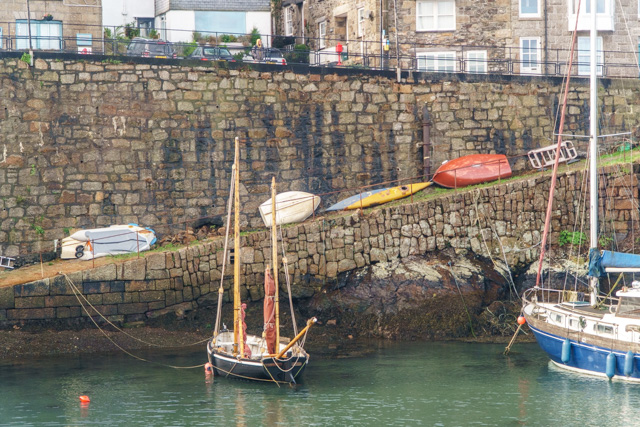
Red Lion slip prior to restoration project
Bring in the swing shovel to clear the slip
Loading the dumper with topsoil and growth
Digging out the old adit stones
Loaded dumper truck in the Narrows
Levelling the slip before the aggregate base is laid
Levelling the base layer
Excavations revealed old adits from Church St
Huge granite stones from the old adit channel
Laying the aggregate base
Partially compacted aggregate on the Red Lion slip
The aggregate base after compacting
Freshly worked granite setts
Preparing the bed for the first sett
Digging out a deep channel for the first sett
Laying the first row
The first cut granite sett is almost complete
Each sett is laid with a selection of different length granite
Easing the granite into position
Wooden wedges accurately position the stone setts
Key rows require mechanical help to lay each stone
Smaller stones can be placed using the suction tool
The Red Lion slip is taking shape
Lime mortar pointing the slip edges is underway
The slip is now three-quarters complete
previous arrow
next arrow

Once the new stone setts have been installed attention will be turned to completing repairs planned for the wrought iron handrail that runs the length of the slip. 
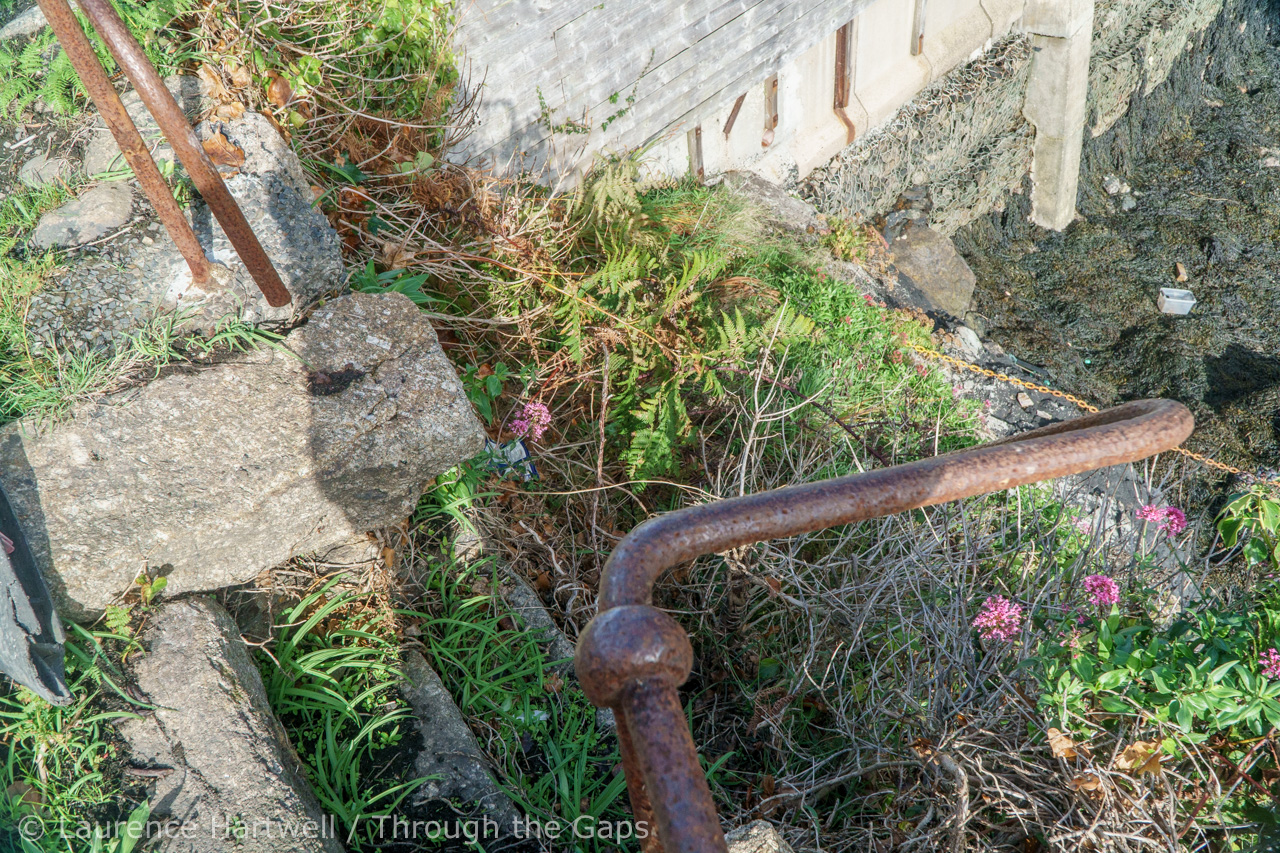
Before vegetation was removed
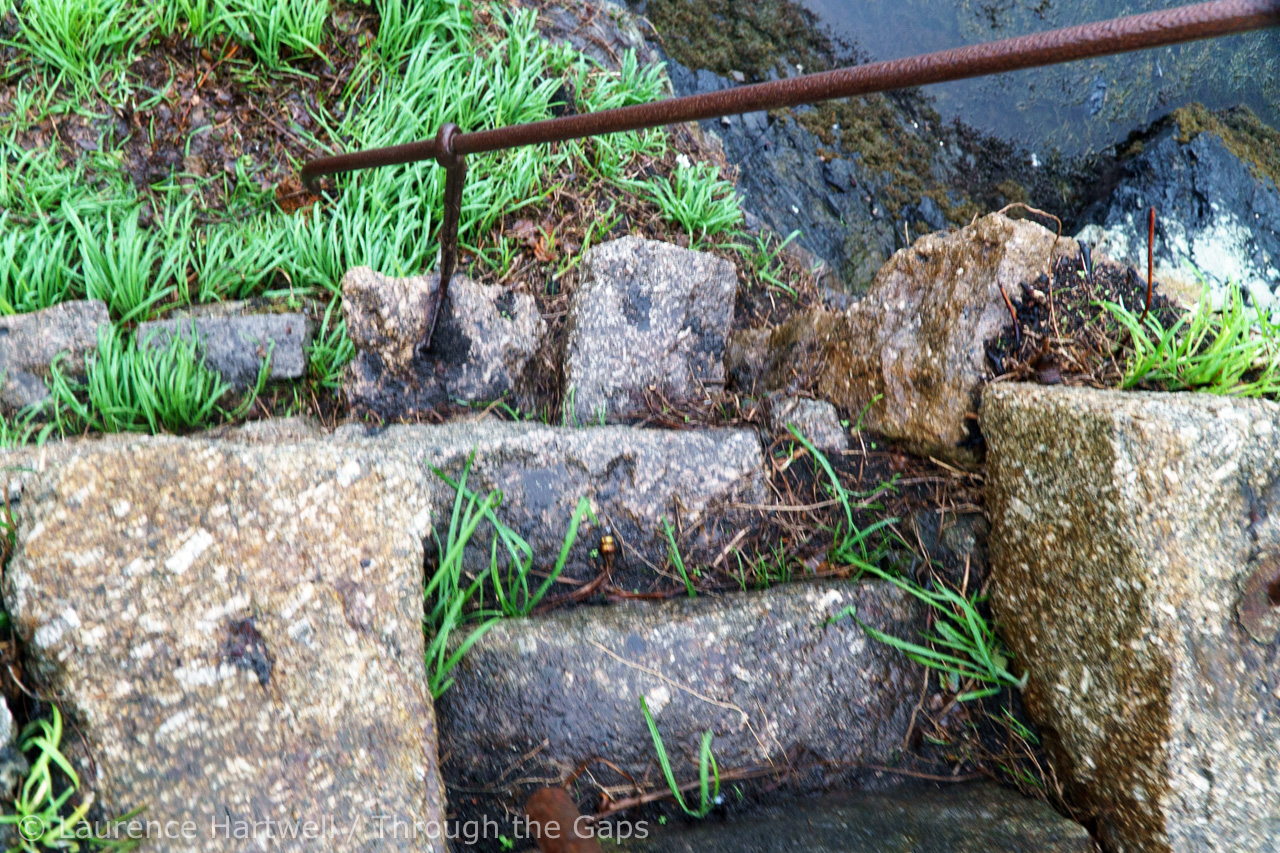
The steps are now revealed

While clearing overgrown vegetation, the centuries old access steps from the edge of the Red Lion slip were revealed.  The steps are simply long granite stones that stick out from the side of the slip wall – styles with steps like this are a common site in Cornish hedges.  The lowest of the four stone steps appeared to have been broken off at sometime. Since then it has come to light that the step fell into the harbour in the 1980s – as witnessed by two young fishermen who recalled the day it happened. Over recent months many individual granite stones have been cleared from in and around the Old Quay – it is hoped that one of these is the missing step and can be replaced!

Parapet pointing progress

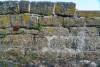
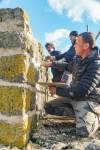
With the scaffolding in place courtesy of Sedgemans, local building contractors who rcently completed reairs to the South Pier moved on site to begin work on the Old Quay’s parapet wall. Until the South Pier was completed in 1887, the Old Quay was subject, over the centuries, to every severe southery storm that hit Newlyn. Severe storms overtopping the wall have seen most of the original lime pointing washed away. After volunteers  removed tons of growth earlier in the year, the team from Symons, using a traditional 3-1 mix of coarse sand to lime have been busy re-pointing the parapet wall and top. Although mild for most of the time, December weather saw some days when work was carried out under heavy showers and gale force winds.

View over the old quay, one of the few fine weather days in December
Re-pointing the Old Quay
previous arrow
next arrow
 
View over the old quay, one of the few fine weather days in December
Prior to re-pointing the parapet wall
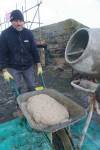
Wheelbarrow full of lime mortar
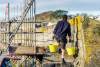
Delivering two buckets of mortar
Loading the mortar boards
Mortar mixed and ready to go
Stonework is contracted out to local firm, Symons Construction
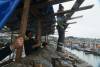
Scaffolding made the job much easier
Pointing with lime mortar
Cleaning the parapet top of weeds and growth.
First stage of pointng of the parapet top
Then the rain came
Each stone is removed, cleaned and re-placed before being pointed in place
Medieval recycling -  a bal stone minus its hook - used, amongst other things, to press pilchards
One discovery was the soil used to bind the stones
A high percentage of the ochre coloured soil is clay
Despite the inclement weather, the parapet top pointing work is almost complete
Historic England are funding the stonework and other renovations
previous arrow
next arrow

Stonework begins!

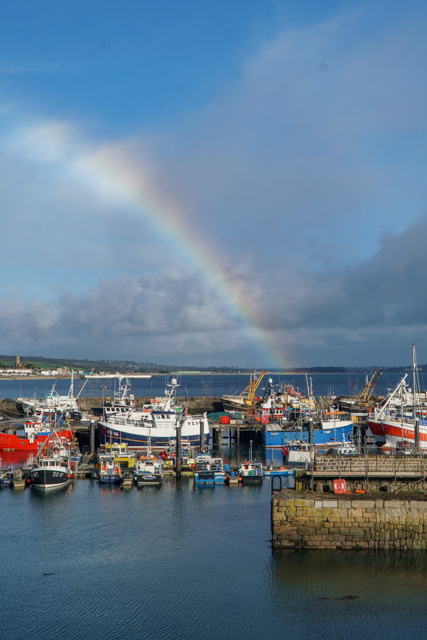
Remarkable progress has been made down the Old Harbour!

With the scaffolding successfully erected surrounding the Old Quay parapet wall the stage was set for the stone and restoration contractors to swing into action.

Monday morning saw the arrival of two teams from Symons Construction whose job is is to lay new granite sets down the Red Lion slip and re-point the parapet wall on the Old Quay.

The week started with temperatures above average and sunshine, by mid-week the temperature had plummeted to just above freezing and driving rain followed  by two chilly days of blue skies.

In that time, the parapet’s facing wall was pointed and the groundwork all but completed for the Red Lion slip in prepartion for laying the granite setts that were delivered on Wednesday.

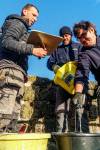
Great work from James and Tony who have been tasked with preparing the Red Lion slip.

Iain, Torsen and Marcus are the the guys mixing the lime mortar and wielding the trowels on the parapet wall.

Cutting granite!

To date, much of the work, apart from the ironwork, has been carried by a trusty band of volunteers. Now the serious work begins to address the restoration of the Red Lion slip and the Old Quay parapet. With the succesful nomination of Cornish Granite Supplies to source, cut and dress the granite, the Red Lion slip is ready for the  for delivery of cut stone on Monday, 17th November.

Cornish Granite Supplies

Cornish Granite Supplies won the contract to source, cut and dress up to 350sqm of granite for the Red Lion slip.

Uncut granite boulders in stock

Raw granite boulders ready for cutting into slices.

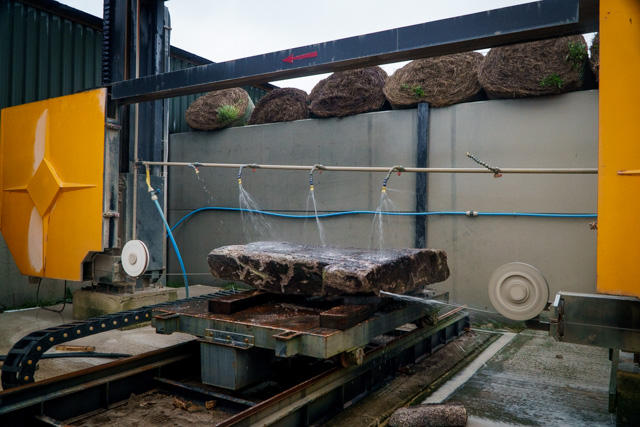
Wire boulder cutter

The huge wire saw slices the granite boulders into long slices.

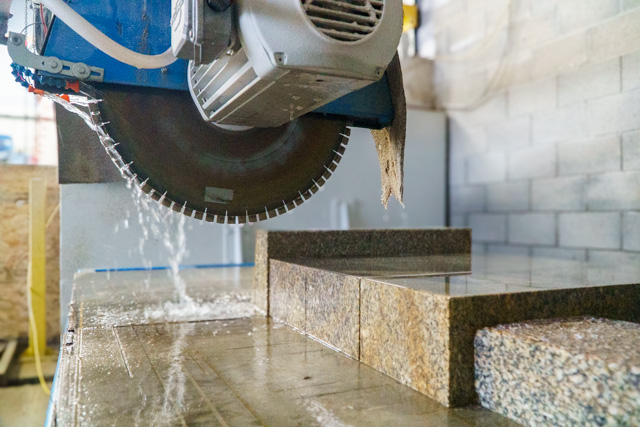
Circular saw

The slices are cut by circular saw into regular size for the setts

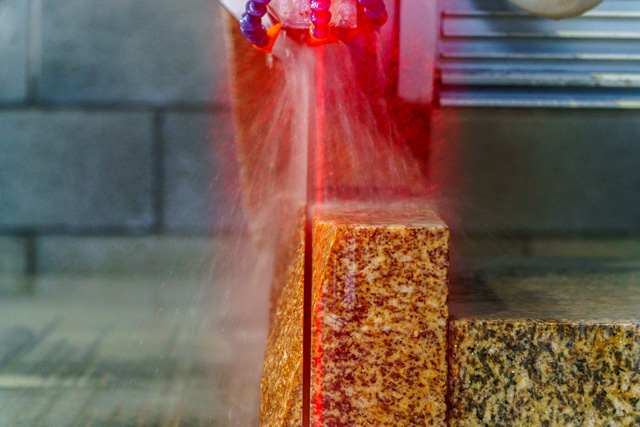
Laser guided

The circular saw cuts automatically, guided by the lazer light.

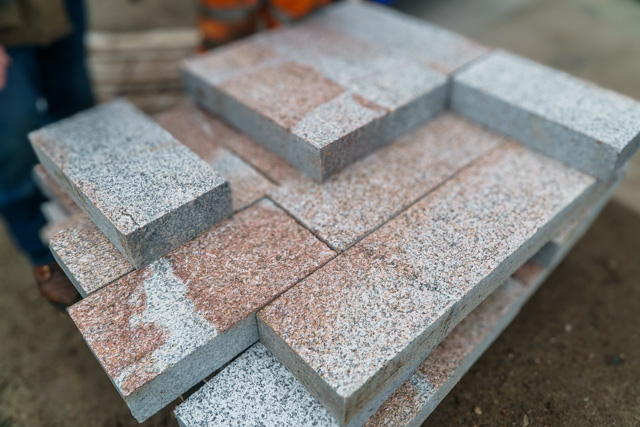
Cut setts

Once cut to size the setts are ready to be ‘aged’.

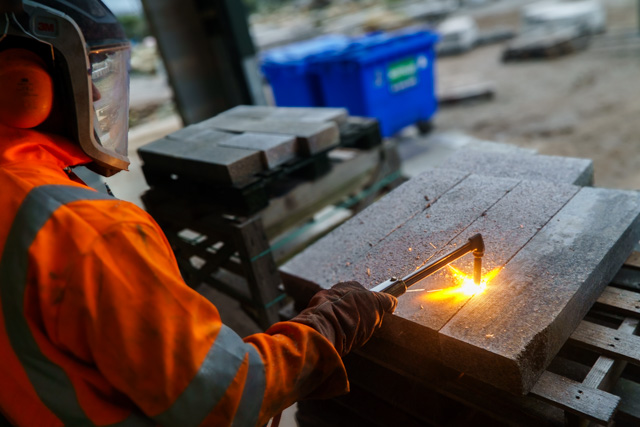
Surfacing work

Each sett is ‘torched’ to create a rough surface to ensure that the skip is walkable in wet weather.

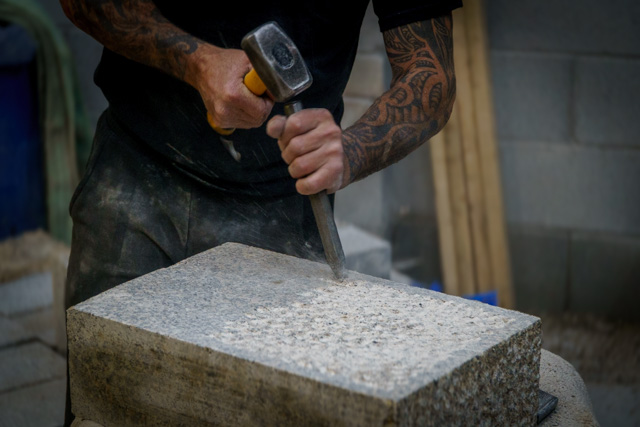
Dressing the setts

Each settis then dressed by hand, on the surcae and round each facing edge.

The Red Lion slip viewed from Fore Street. Work on this section will see the installation of the granite setts. South West Water have been and tested the outfalls that run onder the line of granite quoins to ensure the source of adit drainage and outfall.

Owners of the dinghys and canoes need to remove them by Monday at the latest! See this notice from the harbour office.

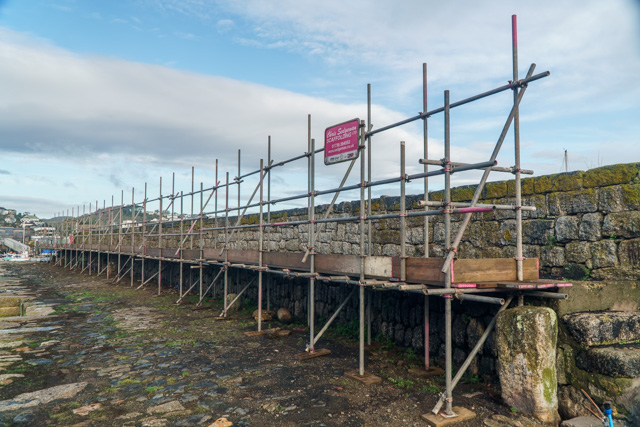
Concurrently, work on the Old Quay itself will shortly begin now that the scaffolding has been erected. This will mainly consist of re-pointing using lime mortar to and above the inner parapet wall. Much care is being taken to preserve the layers of tar and pitch that cover some of the granite used in the parapet from centuries of maintaining the old wooden lugger fleet – wherepitcha dtar were used to protect and preserve the wooden hulls and decks.

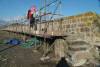
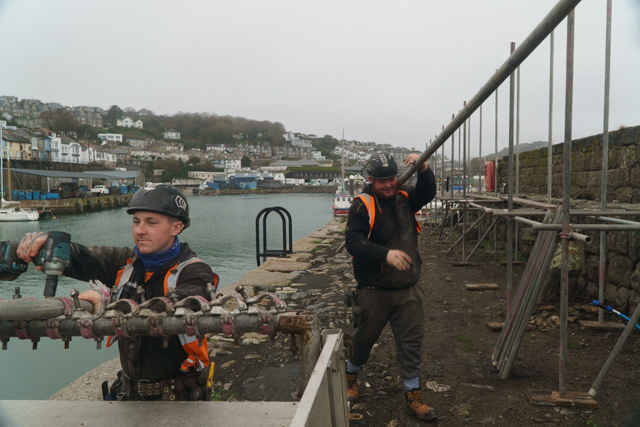
Nathan and Callum from Sedgemans were back on the case last week, erecting scaffolding running the entire length of the Old Quay parapet wall. This will allow easy access for the lime mortar team to get on re-pointing the top and sides of the parapet.

Bringing the harbour back into use

Over the next few weeks work will begin re-surfacing the Red Lion slip area with granite sourced and cut by West Cornwall Granite Supplies from St Just.

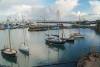
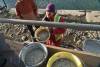
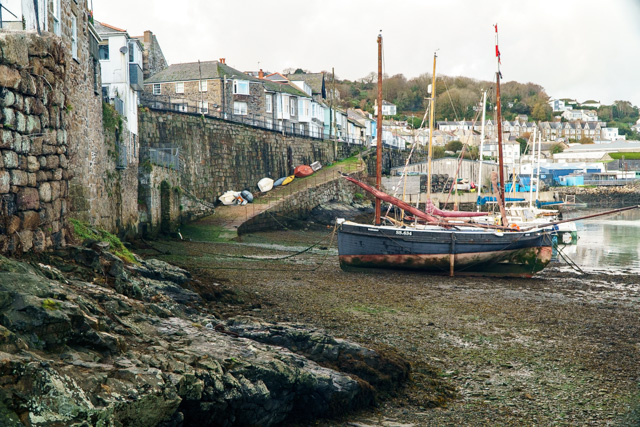
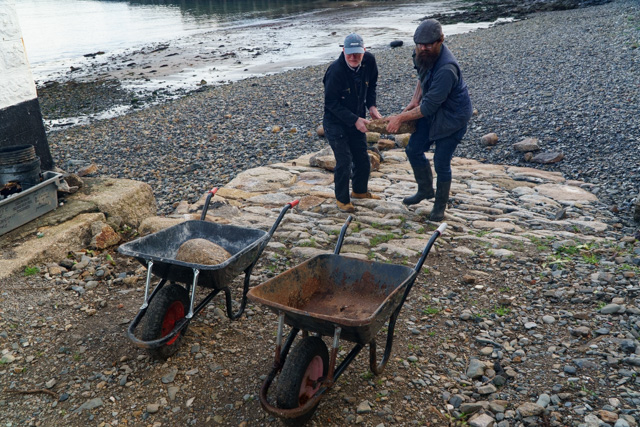
The latest work sees a few volunteers busy clearing the harbour area of random boulders and other debris that has accumulated over the years so that boats using the Old Quay and do so safely without fear of damaging keels and hulls when drying out.

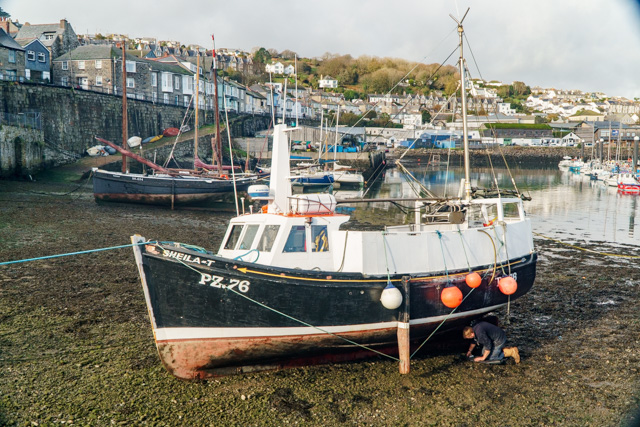
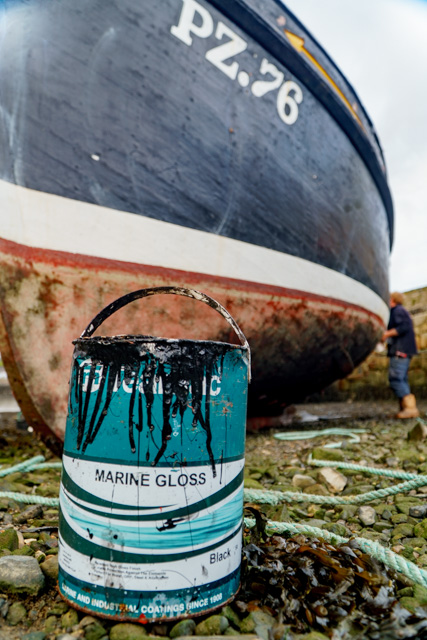
Local skipper and Cornwall Sardine Management Association champion Gus Caslake is seen here happy to give the Sheila-T a clean up ready for painting above and beow the waterline. Inside the Old Harbour there is less ‘run’ – the rise and fall created by swells passing the gaps – than that which affects other areas in the harbour used to work on boats – see the video below.

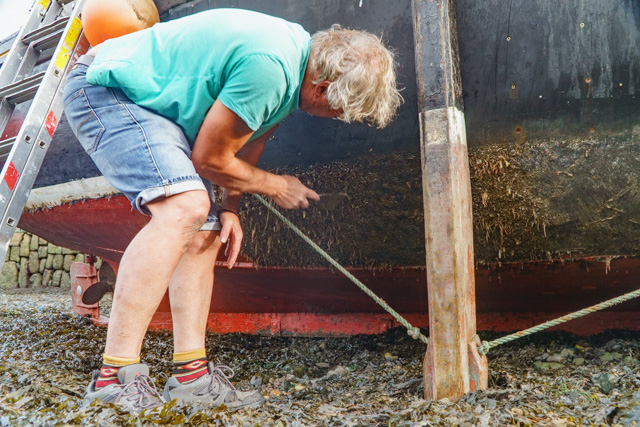
With water temperatures above average this year, rapid marine growth below the waterline has been a thing this year – here’s Andy left with the tough job of scraping off barnacles and weed by hand!
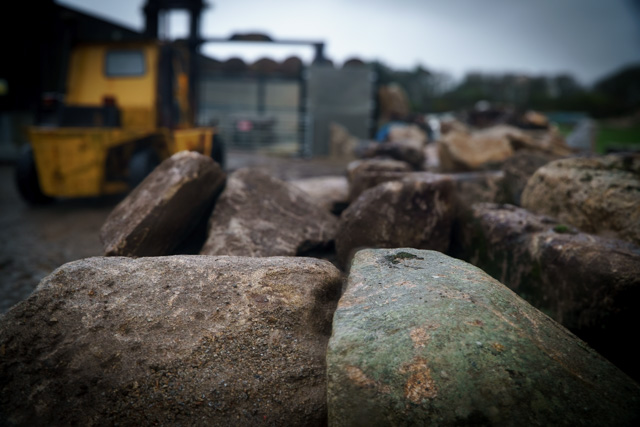
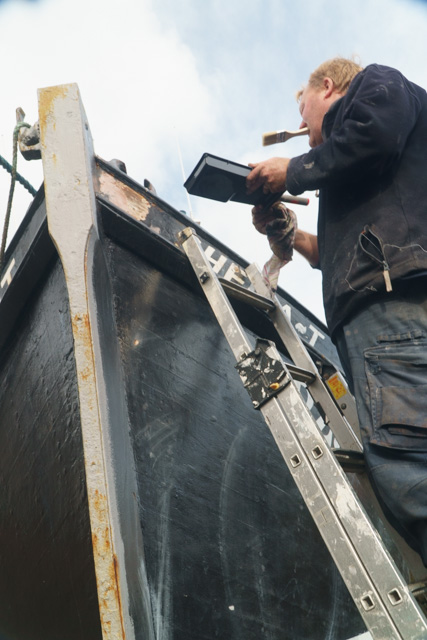
Always good to see a coat of black paint going on the hull – wind the clock back a hundred years ago when every hull was painted with tar based paint to preserve the wood in the hull and prevent marine growth down to the waterline.