The groundwork team from Symons have moved on to the final stages. While removing beach pebbles to get better access yet another hidden feature of the old quay was revealed!
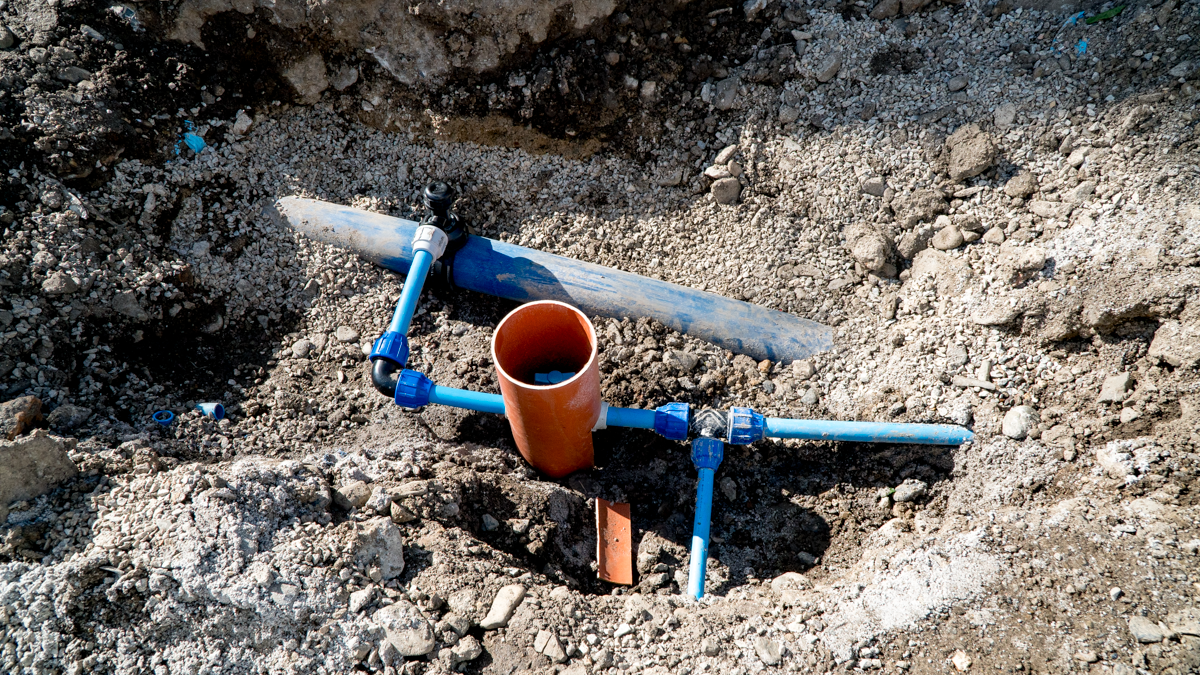
One of these jobs was to install a new 5″ alkathene water supply and take a tee off for the old Fishermen’s Rest.
Buried out of sight is one of the largest stones used in the construction of the south slip. This huge stone has a 5″ diameter hole bored into it approx 12″ deep – what was its purpose?
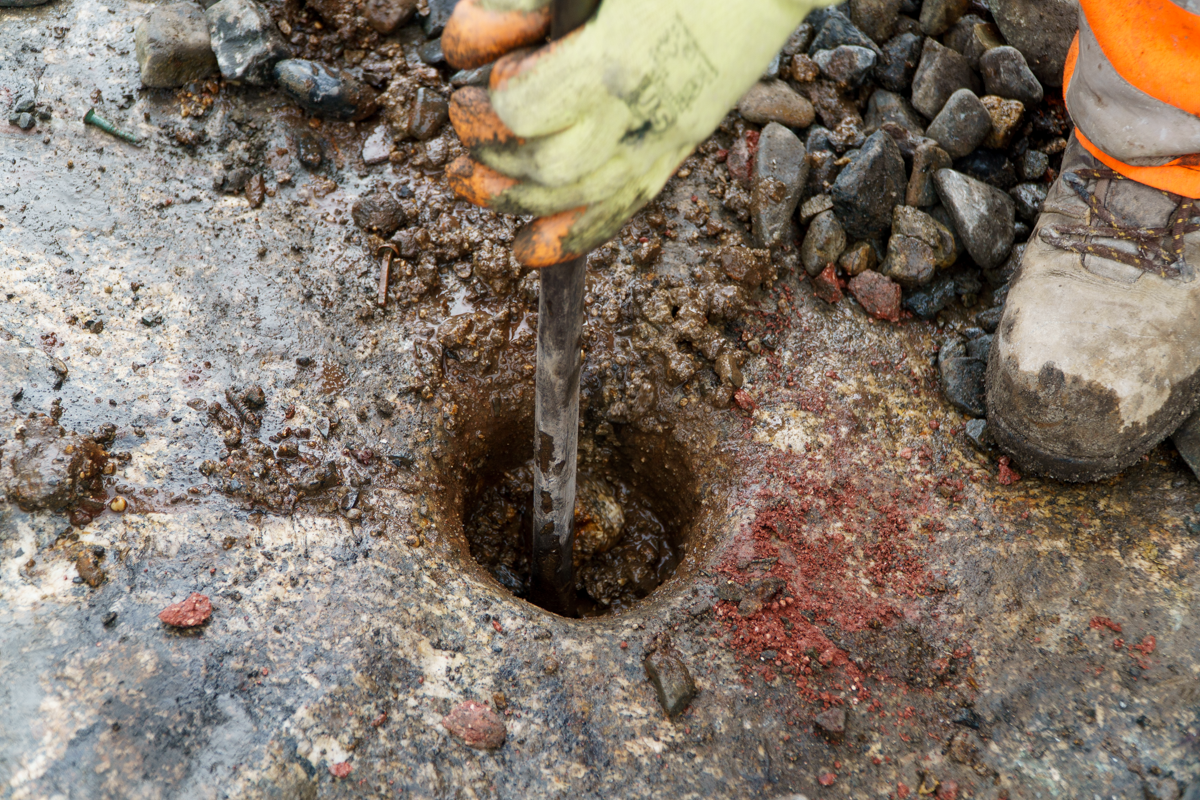
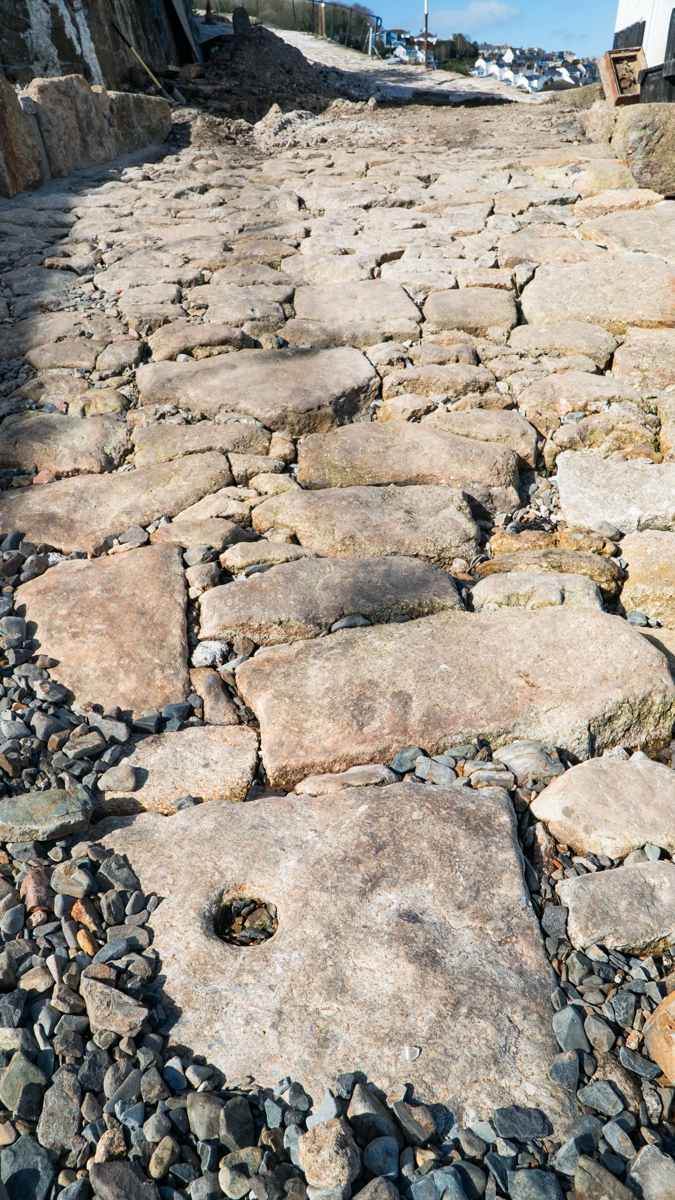
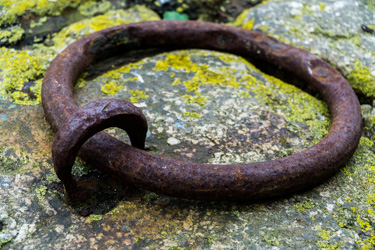
We know from old paintings and photographs of the Old Quay that there were spaces made in the stone parapet to securely house tar barrels used to preserve the various timbers used on luggers.
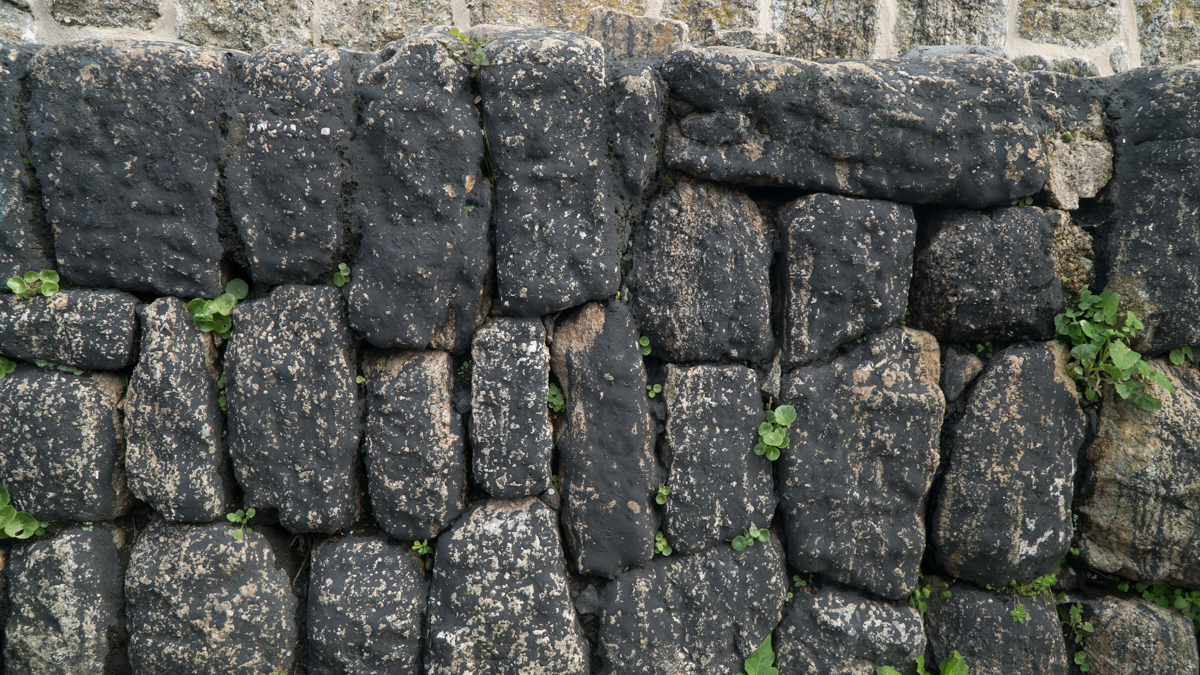
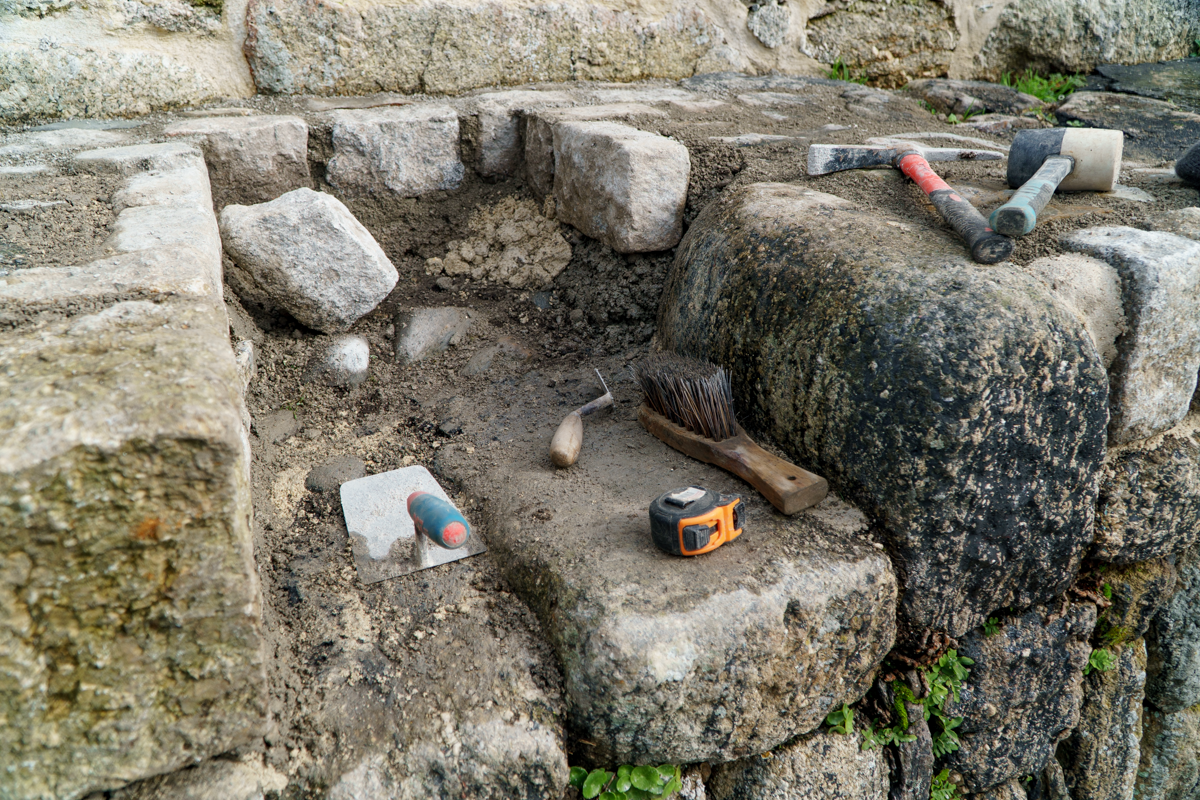
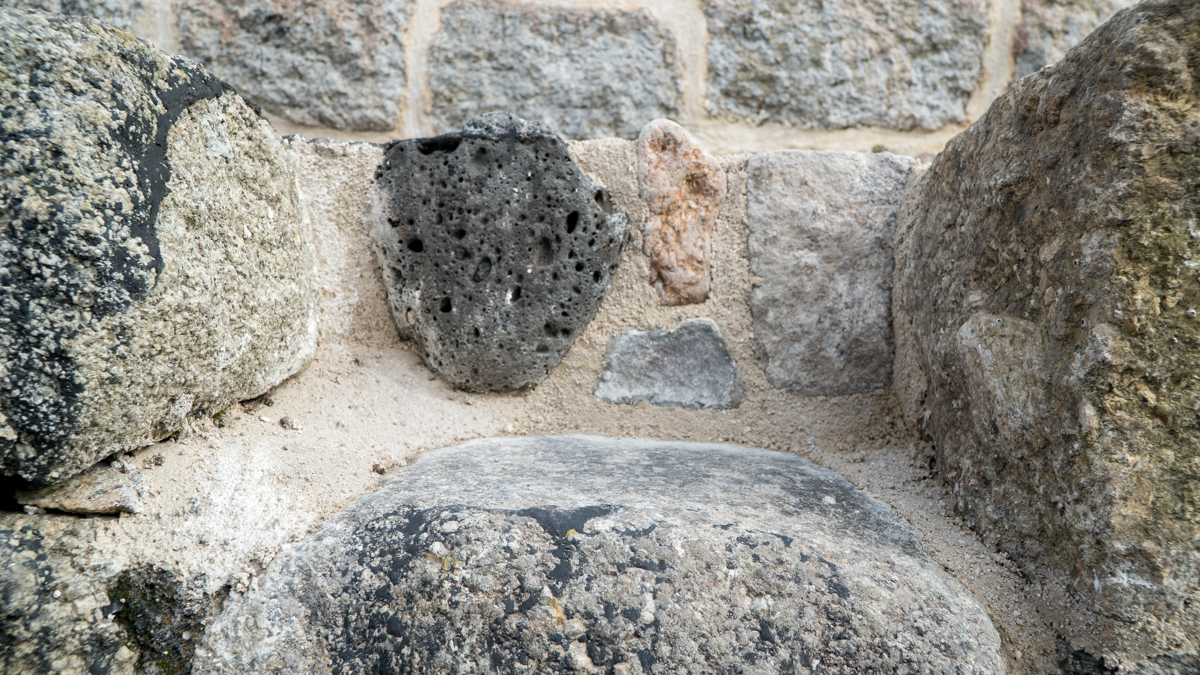
While preparing the stonework another anomaly revealed itself – buried in between all those Cornish granite stones is a ;large piece of pumice tone! Where did this ancient piece of lava come from? Is there a connection between the the pilchard trade between Newlyn and Italy? A souvenir brought back from Vesuvius perhaps?
Despite looking at every stone used to construct the harbour over and over again ywet another mystery revealed itslef. At the end of the Old Quay is a large granite bollard, no doubt used to help bring luggers (being sail only) safely in and out of the harbour. Carved into the face of the stone are someone’s intials, the letters ‘S’ and ‘T’ can clearly be seen with a third, more worn letter unidentifiable.
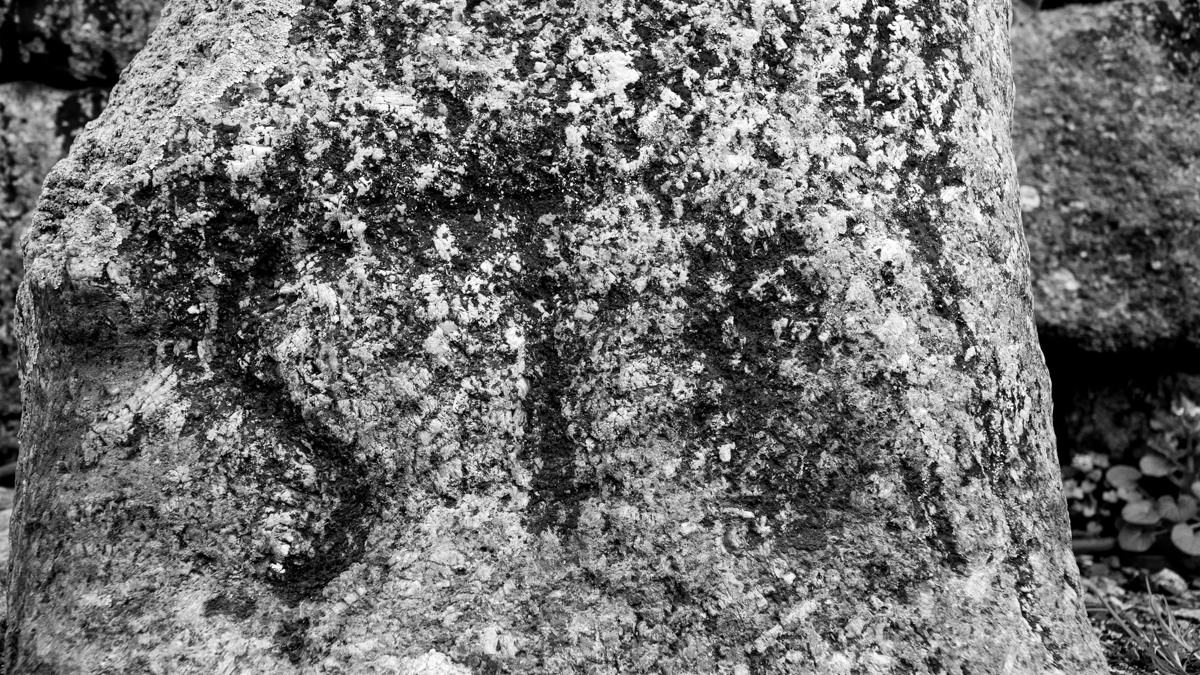
Have those letters been there from when the stone was first positioned, or dd someone wishing to leave their mark when the end of the Old Quay was repaired at some time? We know from Dan Ratcliffe’s comprehensive Statement Heritage report that there was a rebuilding in 1732 by William Arundell of Trengwainton, which included an extension on new foundations, replacing the medieval quay that had been “lately blown down”.
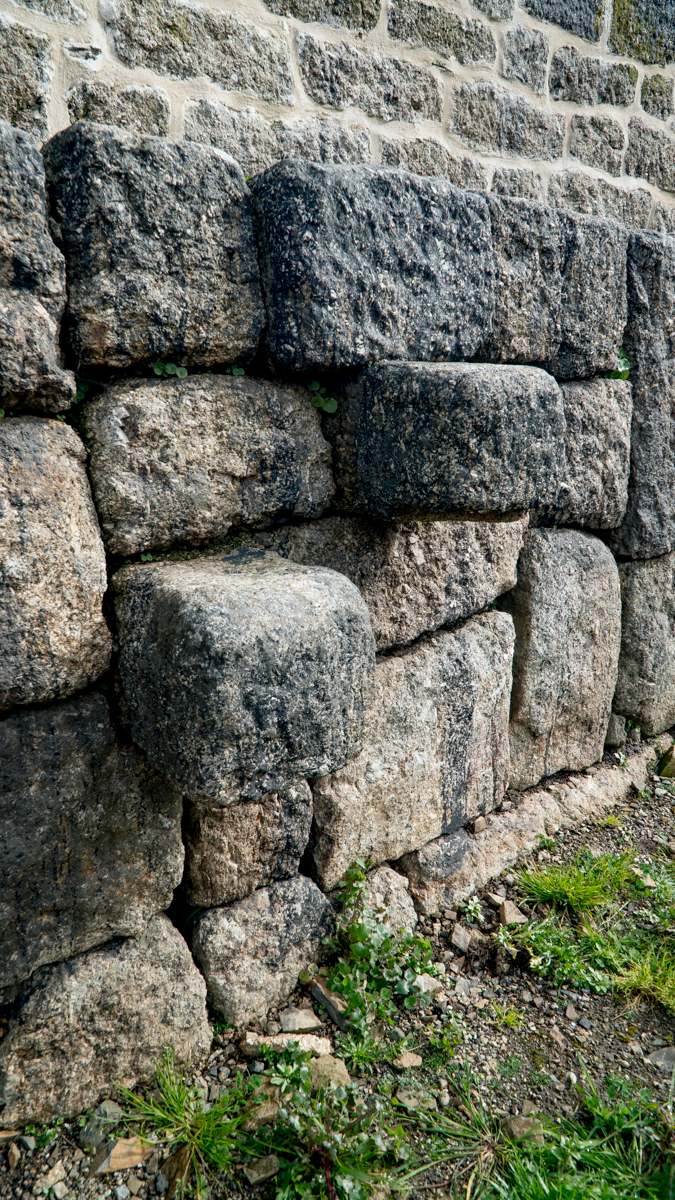
Another feature that has caused much debate are what at first appear to be stone ‘steps’ protruding from the lower half of the parapet wall – the issue is, if these are steps were is the first riser? The height of the lower stone is too far off the ground for anyone to easily ascend?
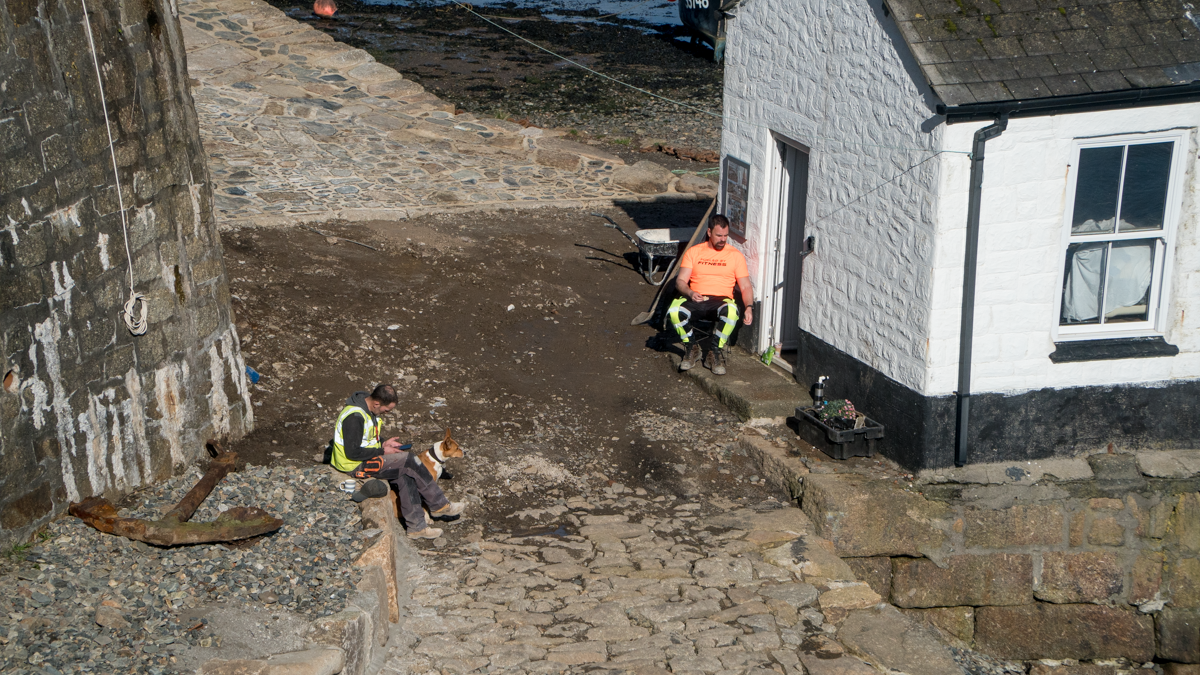
A huge thanks must go to the Symons guys who have worked through fog, rain, sleet, gales of wind and even sunshine! Two, who have been on site from day one, James and Tony are seen here taking a well deserved tea break on one of the few days in the new year that promised sunshine all day!